Published on July 1, 2025
Guide: How to organize a successful event?
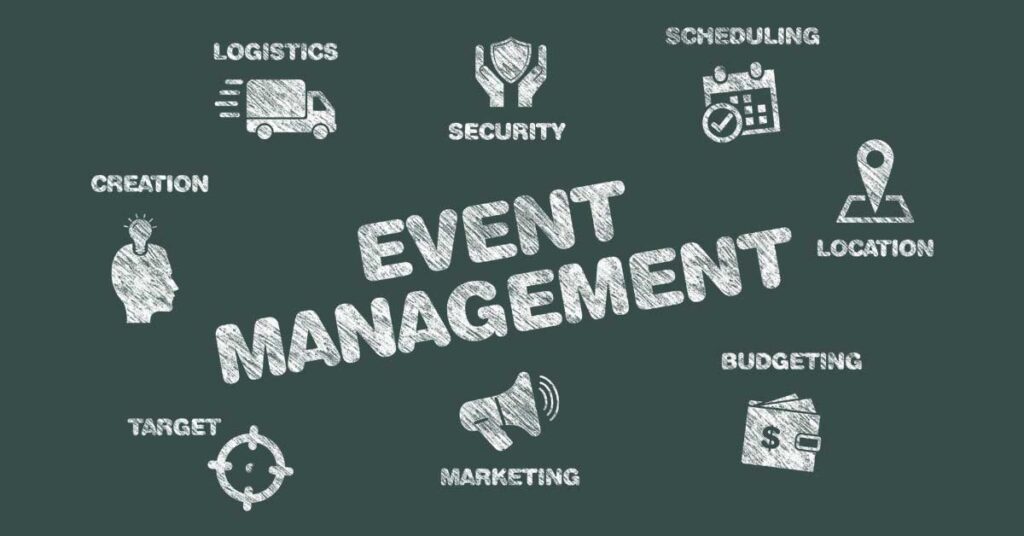
Event planning without chaos? It’s possible with our guide! Discover how to organize an event—and what it truly needs to succeed!
Organizing an event is not just a checklist of tasks and logistics. There are many factors that determine whether it will leave a powerful impression or be forgotten the moment it ends.
Whether you’re planning a business conference, festival, party, or private celebration, every successful event has a few things in common: clearly defined goals, a solid plan, and the right equipment.
But how do you organize an event so that everything runs seamlessly, from the first invitation to the last guest?
From the initial idea to venue selection, budgeting, promotion, and on-the-ground execution—every step matters. Still, there are a few things no event can do without: equipment that ensures order and safety, a strategy that keeps everything under control, and communication that connects your team and guests. Read on to discover what your event can’t start without.
Steps to successfully organize an event
To ensure everything runs smoothly, it’s important to go through the key phases of planning and execution. Here’s how to organize an event that leaves an impression:
Event idea and goals – What do you want to achieve?
You need a clear purpose. Do you want to promote a brand, educate your audience, mark an important date, or simply provide an unforgettable experience? Event organization begins with defining your goals: what you want guests to remember, what message you want to convey, and what impact you expect. Without a clear idea, you risk your event losing its purpose and leaving a weak impression.
Budget planning – How to allocate costs for venue, equipment, staff, promotion
Without a well-planned budget, things can quickly spiral out of control. Decide how much you will allocate for:
- Venue rental
- Essential equipment (accreditacions, wristbands, cards)
- Technical support and staff
- Promotion (digital channels, print materials, advertising)
A well-structured budget helps avoid unpleasant surprises and ensures your event’s quality doesn’t suffer due to poor resource allocation.
Choosing the location and date – How to pick the perfect venue and time
The location and timing are the backbone of good event organization.
Choose a venue that suits your event type and attendee numbers—from conference halls to open festival spaces.
Schedule your event considering your target audience and the event’s nature, keeping in mind the season, holidays, and potential competing events.
The right venue and well-chosen date directly impact attendance and overall impression.
Logistics and equipment – Essential tools you need
Without the right equipment, entry can become chaotic, safety compromised, and guests dissatisfied. Key items include:
- XXL accreditacions – for clear identification of staff, guests, and performers
- Wristbands (RFID or classic) – for access control, cashless payments, and branding
- VIP cards – for special guests and exclusive zones
- Branded lanyards – practical and effective for carrying badges and cards
Logistics also include staff coordination, equipment transport, and a backup plan for unexpected situations.
Event marketing and promotion – Social media announcements, newsletters, event apps
Promotion starts well before the event:
- Social media posts
- Sending newsletters to target groups
- Creating an event app for easier communication with participants
During the event, digital channels help with audience interaction, while after the event they allow you to share impressions, photos, and thank-you notes.
Essential equipment for successful event organization
Every successful event requires excellent equipment to facilitate control, enhance safety, and create a professional impression. Here’s what you need:
Printed accreditations – control and professionalism
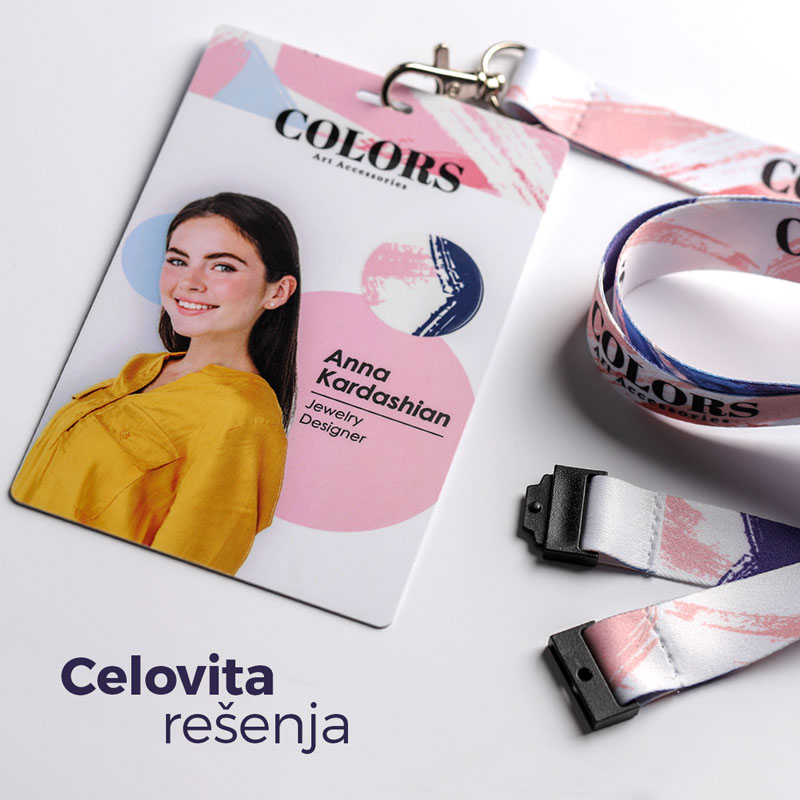
Accreditations are personalized identifiers (usually in card or badge form) distributed to participants, guests, staff, and partners at the event. They include key details such as:
- Name and surname
- Role or function at the event (e.g., organizer, VIP guest, journalist, tech support)
- Company or organization name
- Special zone access markings (backstage, press center, VIP lounge)
Accreditations are typically worn with branded lanyards around the neck or clipped onto clothing, and may include barcodes, QR codes, or RFID technology for added security and access tracking.
Accreditations are not just a formality—they are a crucial tool for successful event management as they:
- Enable clear identification of all participants
- Enhance security by preventing unauthorized access
- Facilitate logistics by helping staff direct guests and control access
- Contribute to a professional image through branded designs
- Serve as promotional tools with space for your logo or sponsor branding
XXL accreditations are the standard at conferences, festivals, trade shows, and corporate events.
Branded lanyards – branding at every step
Lanyards are worn around the neck to carry badges, cards, or keys. They combine practicality with promotion, allowing your logo, slogan, or event name to be prominently displayed.
Their advantages:
- Constant brand visibility, as every participant wears them
- Options with safety clips, carabiners, or card holders
- Available in various colors and eco-friendly materials
Lanyards also serve as memorable keepsakes for guests and contribute to your event’s visual identity.
RFID Wristbands – smart access control and payments
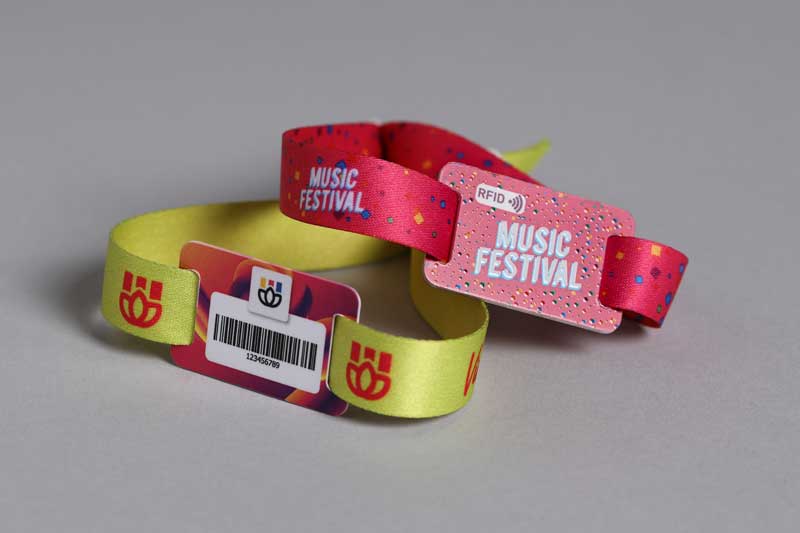
RFID wristbands combine functionality with technology. These chip-enabled wristbands allow contactless scanning and are used for access control, cashless payments, and attendee tracking at events. They are ideal for large gatherings, festivals, and concerts. Made from silicone, fabric, or paper, they enable:
- Contactless entry without queues or counterfeit tickets
- Integration with mobile apps for attendee tracking and notifications
- Cashless payments for food, drinks, and merchandise with a simple tap
VIP Cards – an exclusive experience
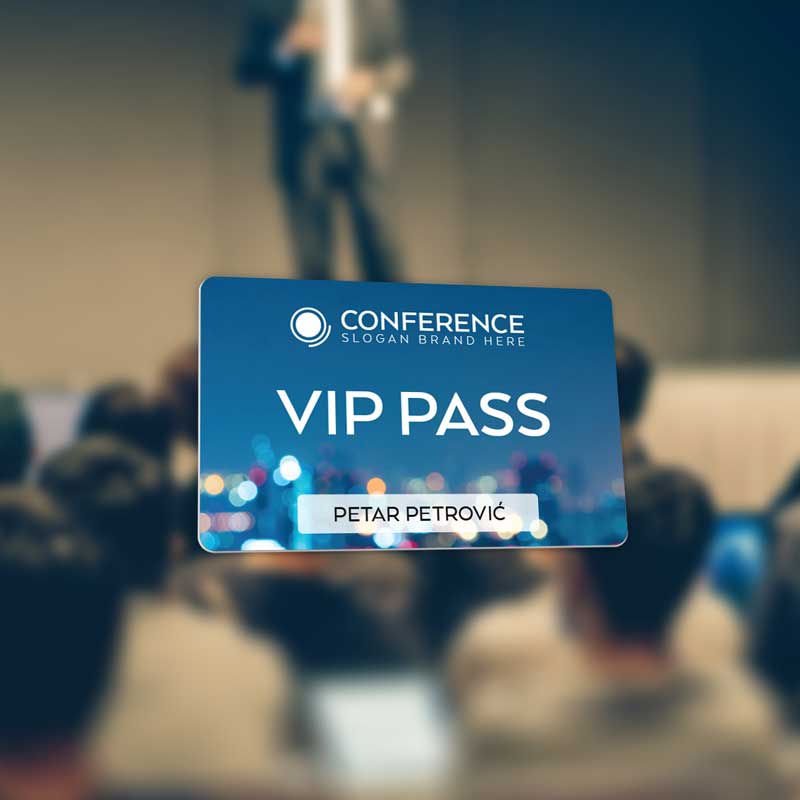
VIP cards are personalized cards that identify special guests and grant access to exclusive zones or services. They enhance your event’s prestige and simplify access control for key participants:
- Made from high-quality materials (plastic, metallic finishes, even wood for an eco look)
- Provide access to VIP lounges, backstage areas, and press centers
- Often feature QR codes, barcodes, or RFID technology for added security
VIP cards not only streamline access but also leave a lasting impression on your most important guests, partners, and sponsors.
Party and event wristbands – simple crowd control
Classic wristbands (tyvek, vinyl, silicone) are used where quick, efficient, and effective solutions are needed:
- Available in various colors for easy visual categorization (e.g., 18+, VIP, single-day entry)
-Difficult to remove without damage, reducing resale and misuse risks
- Waterproof and comfortable for all-day wear
They are ideal for festivals, parties, sports and recreational events, pools, and theme parks.
Why choose Cards Print?
Because we understand that every detail matters, and we give it the attention others don’t.
Our accreditations are laminated, resistant to wear and moisture, unlike standard paper solutions that quickly lose shape.
We produce lanyards, cards, and wristbands using top-quality materials and precise printing to ensure your event looks professional from the very first glance.
The designs are so good you’ll hesitate to throw them away after the event!
Contact us – together we will create an approach that will take your event to the next level!
Digital support and event promotion
In modern event organization, success is no longer measured solely by the number of attendees on-site. Success begins and ends in the digital space—before, during, and after the event. A solid digital support strategy helps attract your audience, engage them, and collect valuable data for future projects. Here’s what it looks like in practice:
Newsletters and invitations – announce and inform your audience
Digital invitations and newsletter campaigns are the first step in event promotion. Their purpose:
- Announcing your event to your target audience with professionally designed emails
- Providing practical details: date, location, program, registration info
- Tracking open and click rates to measure audience interest
Effective email campaigns allow audience segmentation (VIP guests, partners, general public) and personalized communication to increase engagement.
Social media and event apps – promotion and real-time communication
Social media is an essential part of any modern event organization. Their advantages:
- Creating events on platforms (Facebook, LinkedIn) for direct audience connection
- Posting updates and stories before and during the event (Instagram, TikTok, X) to create FOMO (fear of missing out) and drive attendance
- Real-time interaction with your audience through Q&As, polls, giveaways, and live updates
Additionally, many events use mobile apps to:
- Send push notifications with real-time updates
- Provide event maps, speaker or performer lists, and venue layouts
- Facilitate networking among attendees
Digital REPORTS – MEASURING SUCCESS AND GATHERING FEEDBACK
Real event management doesn’t end with the final applause. Digital tools help measure your achievements:
- Tracking website, app, and social media visits and engagement
-Analyzing registrations, newsletter open rates, and invitation responses
- Gathering participant feedback through online surveys and app reviews
These insights are not just numbers—they form the foundation for improving your next event, strengthening your brand, and building long-term audience relationships.
Strategic planning and consulting
A memorable event doesn’t happen by chance. Without a well-thought-out strategy and clear goals, efforts and resources can easily go to waste. Strategic planning and consulting ensure each step is logical, efficient, and geared toward success.
How to set your event strategy and goals
The first step in successful event organization is to ask yourself:
- What do you want to achieve with this event (e.g., brand promotion, networking, education, entertainment)?
- Who is your target audience?
- What emotions and messages do you want your guests to take away?
By setting measurable and realistic goals and a clear strategy to achieve them, your event organization becomes more meaningful and easier to manage. Strategy covers budget planning, equipment selection, communication, marketing, and success measurement.
When to hire professionals for support?
Not all events are the same—smaller gatherings can often be organized independently, but for larger events (conferences, festivals, corporate events), hiring professionals saves time, money, and stress.
A professional team can identify potential issues before they arise, has trusted suppliers and solutions for essential equipment (badges, wristbands, cards), and takes care of details that are often overlooked (e.g., safety, evacuation plans, technical support).
The best time to engage professionals is during the planning phase, ensuring the process is seamless from start to finish.
Expert advice is invaluable when selecting event equipment and technology:
- Helping you choose the right tools for your event type (e.g., RFID wristbands for large gatherings, VIP cards for exclusive events, XXL badges for conferences)
- Suggesting tech solutions that facilitate control, communication, and success tracking (event apps, digital reports)
- Preventing unnecessary costs by avoiding the purchase or rental of equipment you don’t need
Post-event analysis – how to measure event success
The work doesn’t end when the last guest leaves. Successful event organization includes:
- Gauging guest satisfaction
- Evaluating if your goals were met
- Assessing which equipment and logistics worked best and what can be improved
Collect data from surveys, apps, and participant feedback to improve your next event.
FAQ – Frequently asked questions about event equipment
How do I choose the type of accreditations, wristbands, and cards for my event?
It depends on the event type and size:
- XXL accreditations are ideal for conferences, trade shows, and business gatherings requiring clear identification.
- RFID wristbands are perfect for large gatherings, festivals, and events needing access control and cashless payment options.
- VIP cards are suited for events with exclusive zones and special guests.
- Classic wristbands (tyvek, vinyl) are the best solution for parties, pools, and mass events requiring simple entry control.
Do RFID wristbands work without the internet?
Yes. RFID wristbands function via a chip communicating with a reader and do not require an internet connection for basic functions (entry, payment, registration). However, internet may be needed to sync data with central systems or apps in real time.
When is the best time to order equipment?
Ideally, order your equipment (accreditations, wristbands, cards) at least 3-4 weeks before the event. This allows time for personalization, design, testing, and adjustments. For complex solutions (RFID integration, special designs), allow even more time.
Can everything be branded with my logo?
Yes, almost all equipment can be personalized:
- Accreditations and VIP cards: logo, colors, images, QR codes, zone names
- Wristbands: colors, text, logo, even unique serial numbers
- Lanyards: logo, slogans, sponsor branding
Branding enhances your event’s professionalism and increases brand recognitions.
How can I integrate equipment with apps and tracking systems?
RFID wristbands, VIP cards, and QR/barcode-enabled accreditations can easily connect to event apps and management systems. They allow real-time attendance tracking, access control for different zones, and data collection for post-event reports.
Events are remembered for their details. Without the right equipment, these details can cost you your reputation.
Play it safe—order your accreditations, cards, and wristbands and ensure your event leaves a lasting impression.